
02Supplements 4 MIN READ
Are "Natural" Supplements Automatically Safe?
The word natural is reassuring, but it says nothing about safety, dose, or interactions. We explain why, and how to vet a supplement sensibly.
- The claim
- “Natural” supplements are automatically safe.
- The verdict
- IT DEPENDS
- In short
- “Natural” describes origin, not safety; dose, quality, and drug interactions all vary.
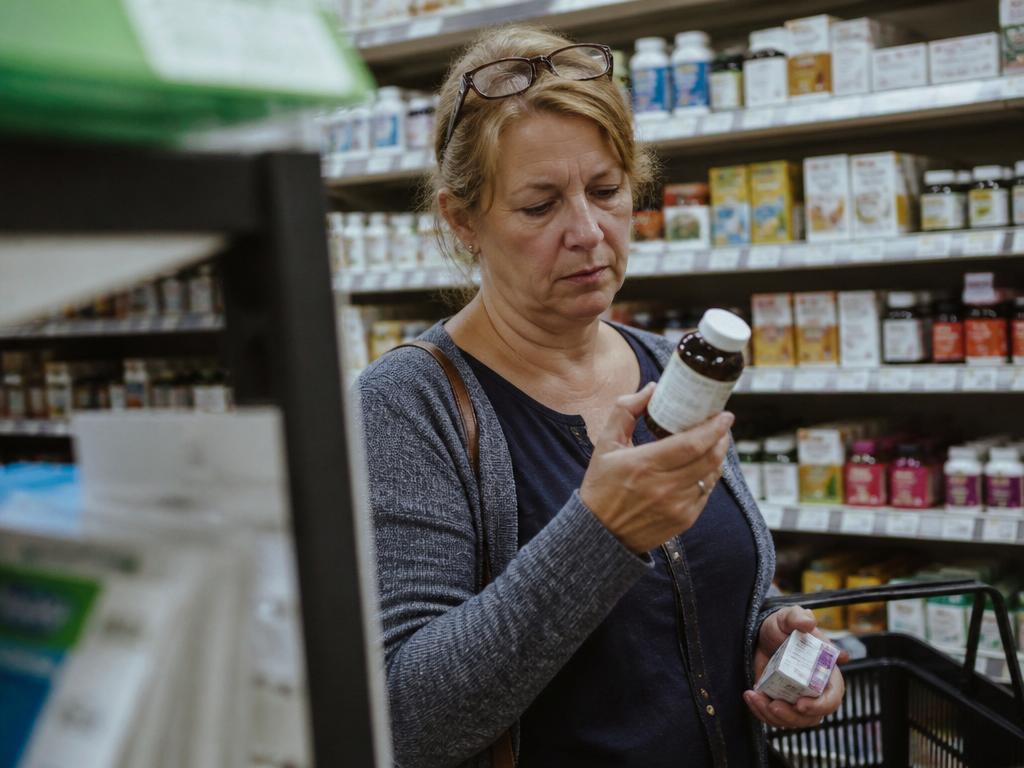
Are natural supplements automatically safe? The word “natural” carries a powerful sense of reassurance. It suggests gentleness, purity, and the absence of risk. But “natural” describes where something comes from, not how it behaves in the body. Treating natural as a synonym for safe is one of the most common and consequential misunderstandings in the supplement world.
The “natural equals safe” fallacy
The core problem is a logical leap: from “this comes from a plant or other natural source” to “this is therefore harmless.” That leap does not hold. Plenty of substances that occur in nature are potent, and some are outright dangerous at certain doses. Nature is full of compounds that can have strong effects on the body, both helpful and harmful. The natural origin of a substance tells you nothing reliable about its safety.
Dose is a large part of why. A guiding idea in toxicology is that the dose makes the poison: many things that are harmless or even beneficial in small amounts can become harmful in large ones, regardless of whether they are natural. A concentrated supplement can deliver a far larger or more consistent dose of an active compound than someone would ever encounter eating ordinary food, which changes the risk picture entirely.
So the reassuring glow of the word “natural” is, on its own, not informative about safety. A natural compound can be inert, beneficial, or harmful depending on what it is, how much is taken, and the circumstances. The label is marketing language, not a safety assessment.
Interactions and quality gaps
Beyond dose, two further issues matter a great deal: interactions and quality.
Interactions are a serious and often underappreciated concern. Supplements, including natural ones, can interact with medications and with each other. Some can amplify or blunt the effects of prescription drugs, and these interactions can have real consequences. The fact that a product is sold without a prescription, and described as natural, does not mean it is free of the potential to interfere with other things a person is taking.
Quality is the second issue. Supplements are generally regulated differently from prescription medicines, and the degree of oversight varies. This can create gaps in areas such as:
- Whether the product actually contains what the label claims, in the stated amount.
- Whether the dose is consistent from batch to batch.
- Whether the product is free of unwanted contaminants.
Because of these gaps, two products with similar labels are not guaranteed to be equivalent, and “natural” provides no assurance on any of these points. None of this means all supplements are unsafe or that all manufacturers are careless. It means that safety and quality cannot be inferred from the word “natural” alone.
| Assumption | Reality |
|---|---|
| Natural means harmless | Some natural compounds are potent or risky |
| No prescription needed means no interactions | Supplements can interact with medications |
| The label guarantees the contents | Oversight varies; quality is not assured by “natural” |
Talking to a clinician or pharmacist
Given all this, the most practical safeguard is also the simplest: involve a professional. A doctor or pharmacist can offer perspective that a product label cannot, especially regarding interactions with medications and existing health conditions.
This is particularly important for certain situations, such as when a person:
- Takes prescription medications.
- Has a chronic health condition.
- Is pregnant or breastfeeding.
- Is considering higher doses or combining multiple supplements.
A pharmacist in particular is often well placed to flag interactions, since they have visibility into a person’s medications. Being open about what supplements you take, or are considering, is part of getting accurate advice. The goal is not to frighten anyone away from all supplements, but to replace the false comfort of the word “natural” with a more reliable check.
The bottom line
“Natural” is a description of origin, not a guarantee of safety. Natural compounds can be potent, the dose can make the difference between harmless and harmful, and supplements can interact with medications and vary in quality regardless of how they are labeled. None of this makes supplements inherently dangerous, but it does mean their safety cannot be assumed from a reassuring word on the package. The most sensible approach is to treat supplements as substances with real effects, and to talk with a doctor or pharmacist, especially when medications, medical conditions, or higher doses are involved.