
04Myths & Facts
Does Blue Light From Screens Actually Ruin Your Sleep?
Blue light gets blamed for wrecked sleep, with night mode and blocking glasses sold as the fix. Here's how big the wavelength effect really is next to timing and content.
Debunking wellness claims and separating real science from marketing.
Blue light gets blamed for wrecked sleep, with night mode and blocking glasses sold as the fix. Here's how big the wavelength effect really is next to timing and content.
Eight hours of sleep gets treated as a universal prescription. We look at where the number comes from, how much it varies by person, and what actually predicts feeling rested.
The 10,000-step target came from a 1960s pedometer ad, not a clinical study. Here's what current dose-response research says step counts actually do.
The gym mantra lumps two very different feelings together. We separate the discomfort that comes with real training effort from the pain you should never push through.
The claim that pre-workout stretching prevents injury is weaker than it sounds. We look at static vs. dynamic stretching and what the injury data actually shows.
The word superfood has no scientific or regulatory meaning. We trace how a marketing label ended up on everything from blueberries to cacao, and what the evidence actually supports.
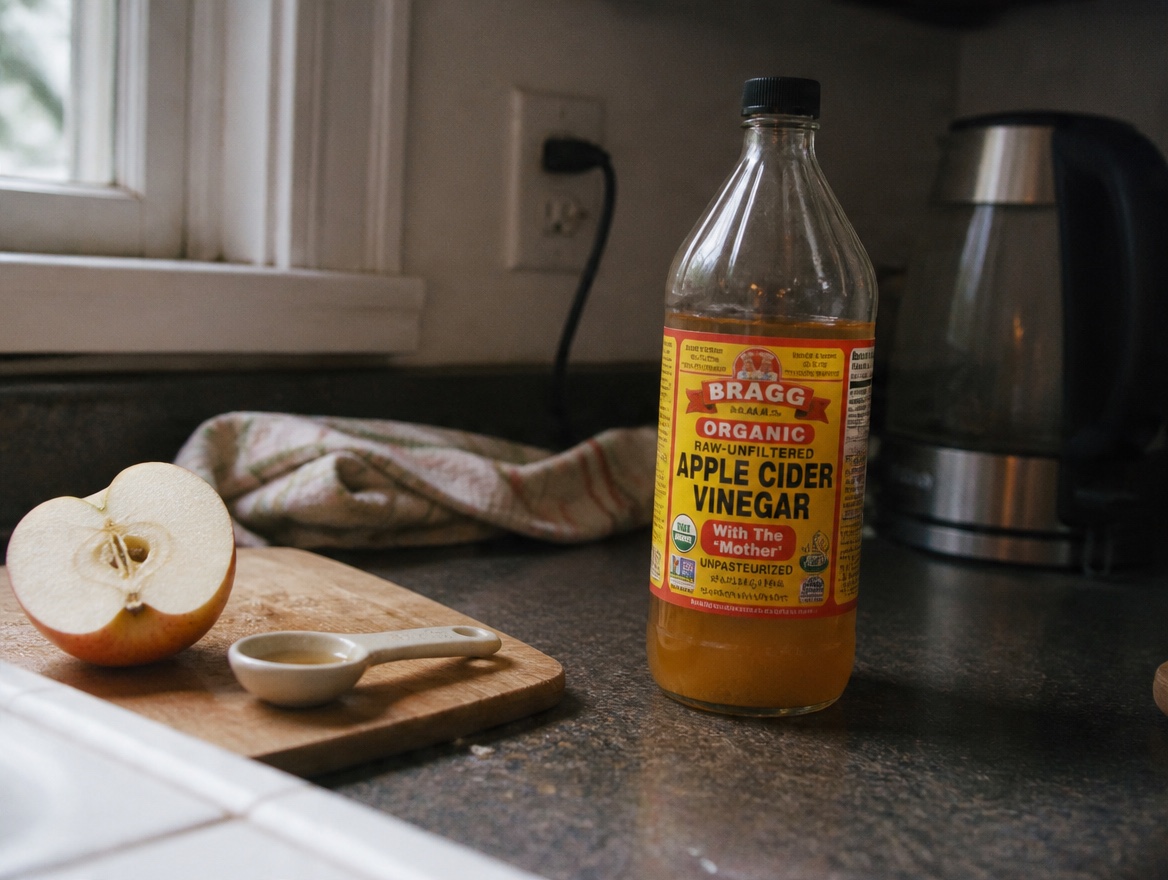
Apple cider vinegar has a long list of wellness claims attached to it. We separate the small, measurable effects from the much larger marketing halo.
One of the most-tested beliefs in nutrition. We look at the blind-test studies, why parents still see a sugar buzz, and what's really going on at the party.
A viral comparison examined for what's fair and what's overblown. We weigh the sitting research, the strained smoking analogy, and the useful takeaway.
A stubborn pop-science myth, debunked with basic neuroscience. We trace where it started, what brain imaging shows, and why it refuses to die.
A grandmother-approved myth, examined. We separate viruses from cold air and explain why colds really rise in winter, and the grain of truth involved.
A classic warning, checked against surprisingly clear evidence. We explain what the cracking sound is and what the research actually found.